

Launching an OTT platform in 2026 is more accessible than it has ever been — and more competitive. Tools that used to cost millions are now off-the-shelf. The hard parts are content rights, distribution and monetisation, not technology.
Here is the launch playbook we use with studios, regional media houses and entrepreneurs building niche streaming services.
Phase 1: Define the niche
You will not beat Netflix on breadth. You will beat them on depth. The most successful new OTT platforms target a niche — regional cinema, faith-based content, a single sport, anime, classic films, a single language — and dominate it before expanding.
Phase 2: Sort out content rights
This is where most projects die. Before writing a line of code, lock down at least 12 months of content. Options:
- Original production. Slow and expensive but you own everything.
- Licensing. Faster, but rights typically run 1-3 years and renew at higher prices once you have an audience.
- Revenue share with creators. Increasingly popular for niche platforms. Lower upfront cost, but your tech needs solid royalty reporting.
Phase 3: Pick your tech stack
You need a CMS, a transcoder, a CDN, a player, web and mobile apps, and a payment layer. Building all of this in-house is a 12-18 month project. Most new platforms use a turnkey solution like Flixoo, OVOO or OXOO — they ship admin, web, Android, iOS and TV apps in one package, with payment gateways and ad servers pre-integrated.
Phase 4: Choose your monetisation model
- SVOD (Subscription) — predictable revenue, slower growth, churn becomes the metric to obsess over.
- AVOD (Ad-supported) — free for users, higher reach, lower per-user revenue. Needs scale.
- TVOD (Transactional) — rentals and purchases. Works well for premium new releases.
- Hybrid — most platforms in 2026 mix SVOD with AVOD tiers, sometimes layering TVOD on top.
Phase 5: Build for every screen
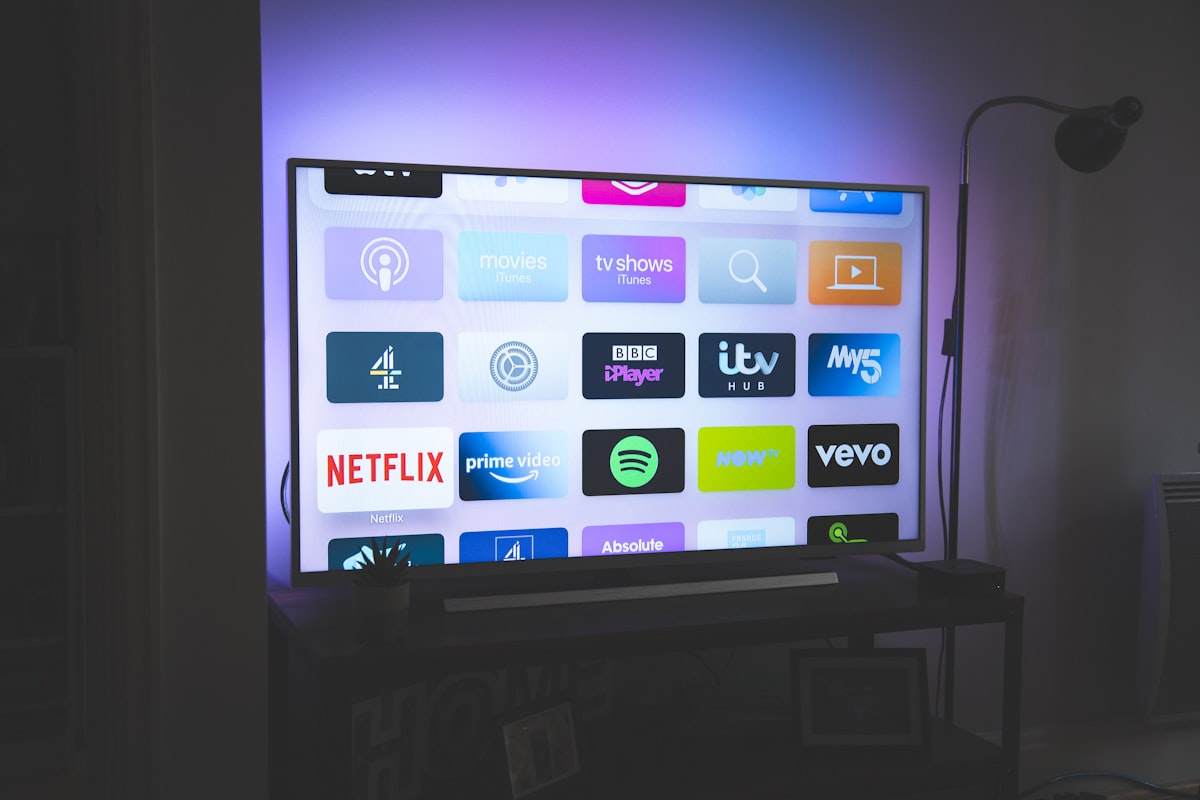
If you ship only a web app, you will leave 70% of viewing time on the table. TV apps on Android TV, Fire TV and Apple TV are where streaming actually happens. Mobile is for discovery and short-form. Casting (Chromecast, AirPlay) is table stakes.
Phase 6: Launch with a small library, big polish
A great UX with 200 titles beats a clunky UX with 2,000. Curated rows, smart recommendations, fast playback start, no buffering, dependable resume playback — these are the difference between churn and retention.
Phase 7: Marketing and distribution
Most OTT platforms underestimate this. Budget at least as much for marketing as for content in year one. Influencer partnerships, app-store optimisation and content-led SEO are the three highest-leverage channels for new streamers.
The platforms that survive year two are the ones that nail recommendations, payment retries and offline downloads. Everything else is detail.
For a head start, our Flixoo demo at demo.flixoo.app shows an end-to-end OTT CMS with mobile, web and TV apps — and the codebase is yours.